
MiCA-licensed crypto infrastructure
Crypto OTC trading for businesses
Understand when OTC trading makes sense and how businesses manage large crypto volumes in daily operations.
-
How crypto OTC trading works and who it serves
-
When OTC trading makes sense and when it does not
-
How businesses handle volume with a CoinGate account
How an OTC desk works
Request
Tell the desk what asset you want to buy or sell and the trade size.
Quote
Receive a fixed price for the full order based on available liquidity.
Confirm
Review and accept the quoted terms before execution.
Settle
Exchange funds and complete the trade, often within the same day.
OTC or business account?
OTC desks are built for large one-off trades, while CoinGate is designed for recurring business payments, conversions, and payouts.
| Crypto OTC desk | CoinGate business account | |
|---|---|---|
| Built for | Large one-off trades | Recurring business flows |
| Typical user | Funds, institutions, HNWIs | Merchants, platforms, Web3 teams |
| Pricing | Quoted per trade | Transparent fees from 1% |
| Minimums | Often $50,000 to $250,000+ | None |
| Access | Onboarding, relationship-based | Self-serve account, verified online |
| Beyond conversion | Trading only | Payments, settlement, payouts, reporting |
| EU regulation | Varies by desk | MiCA-licensed CASP |
How large crypto operations work on CoinGate
Four steps, manual or automated. Your team decides how much control to keep.
Deposit
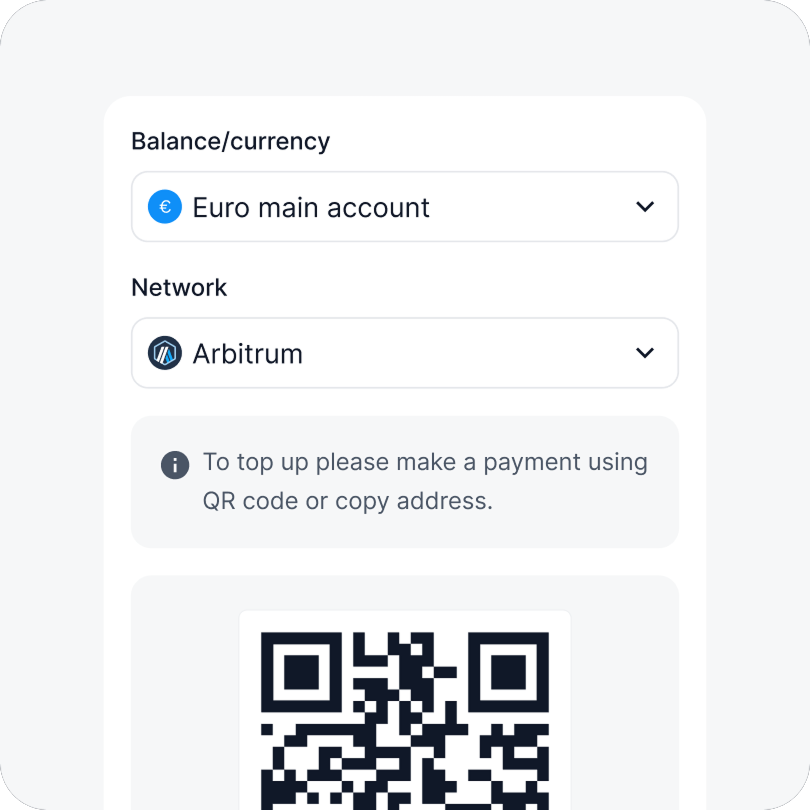
Top up your account with crypto from your wallet or EUR from your bank. Deposits are free.
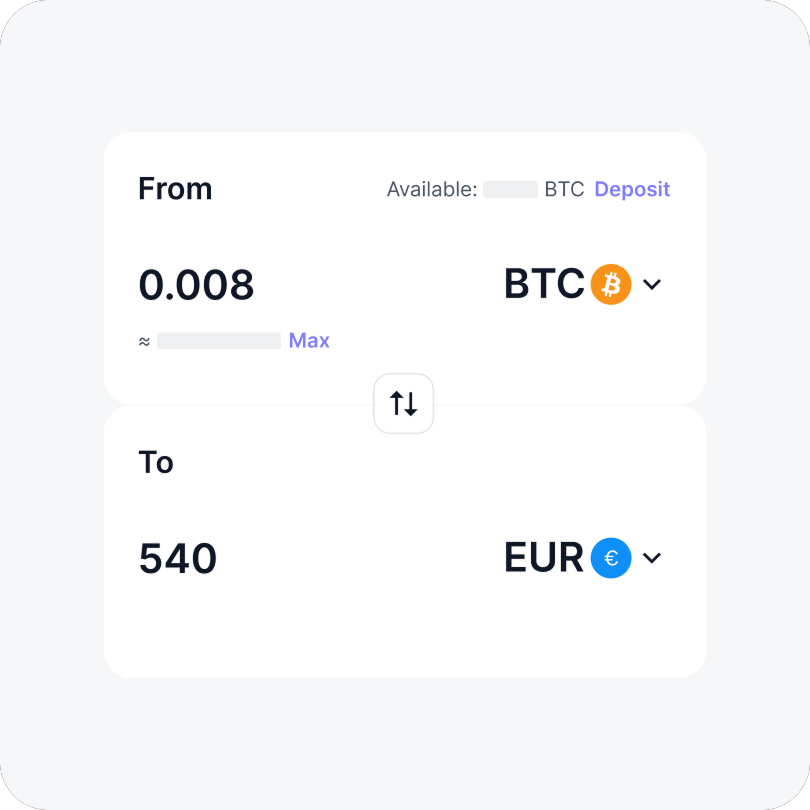
Convert
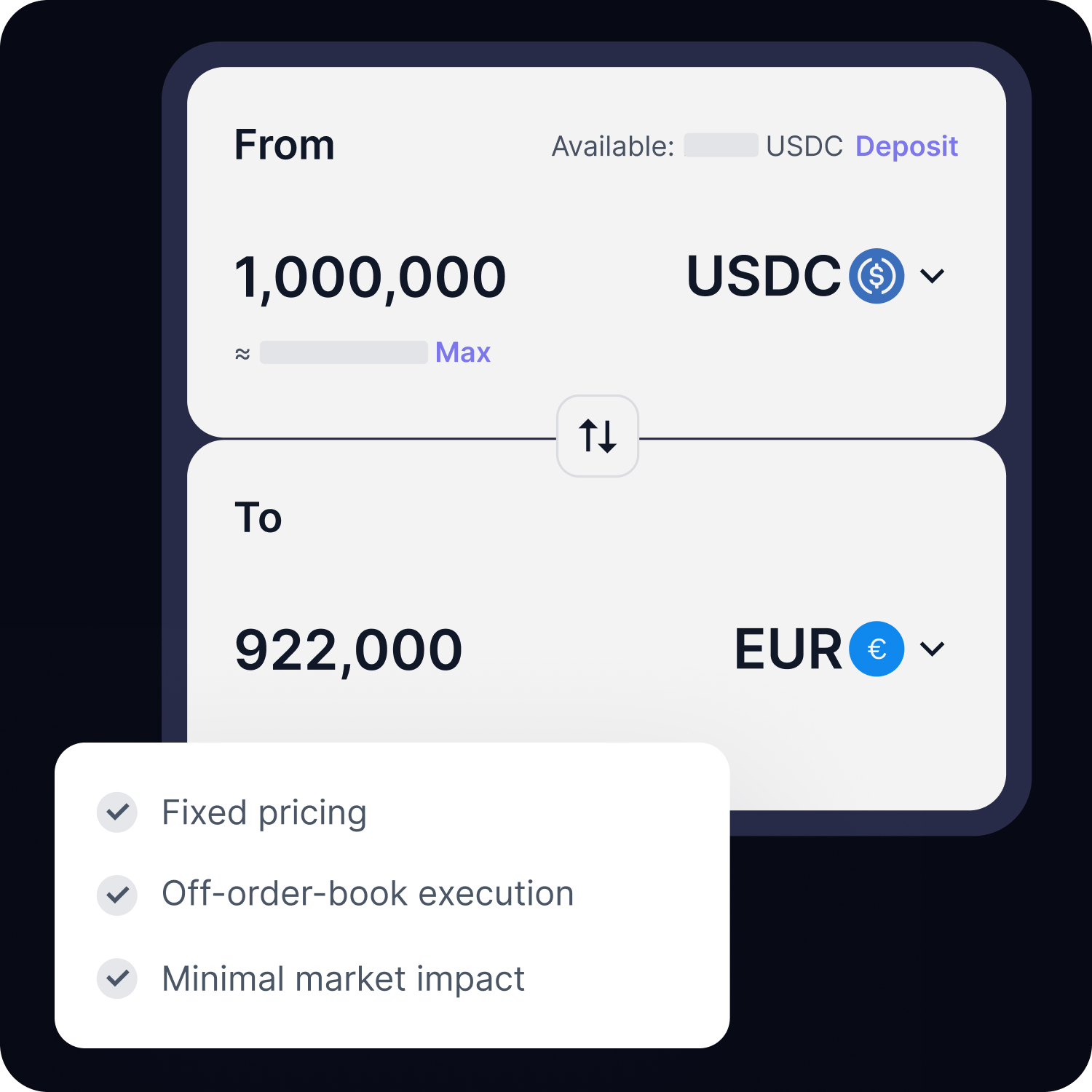
Exchange the balance into your target currency, manually from the dashboard or automatically via API.
Withdraw or pay out
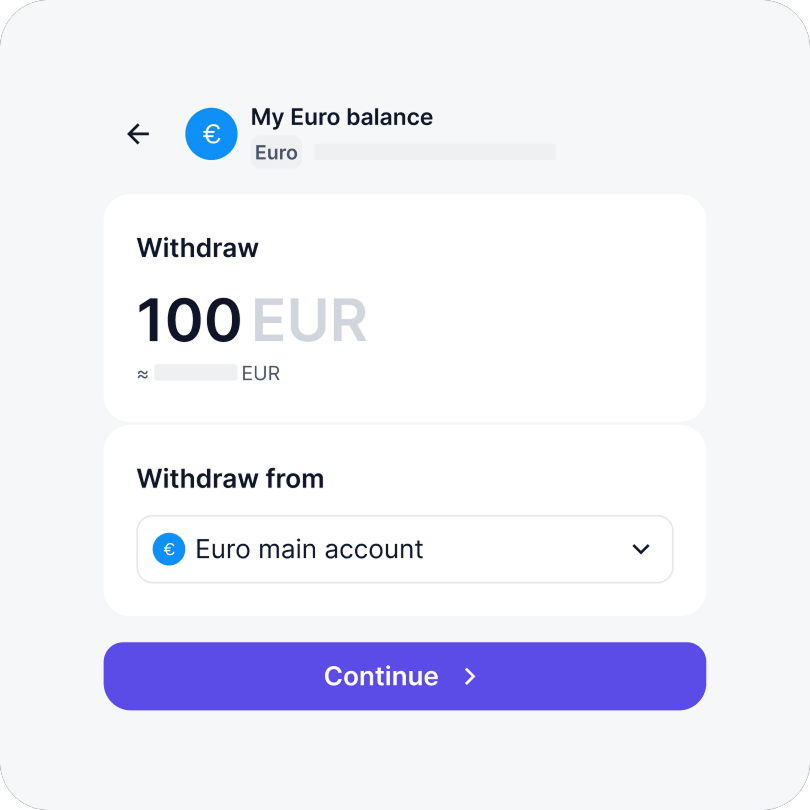
Send EUR to your bank account, withdraw crypto to your wallet, or send crypto payouts to recipients worldwide.
Reconcile
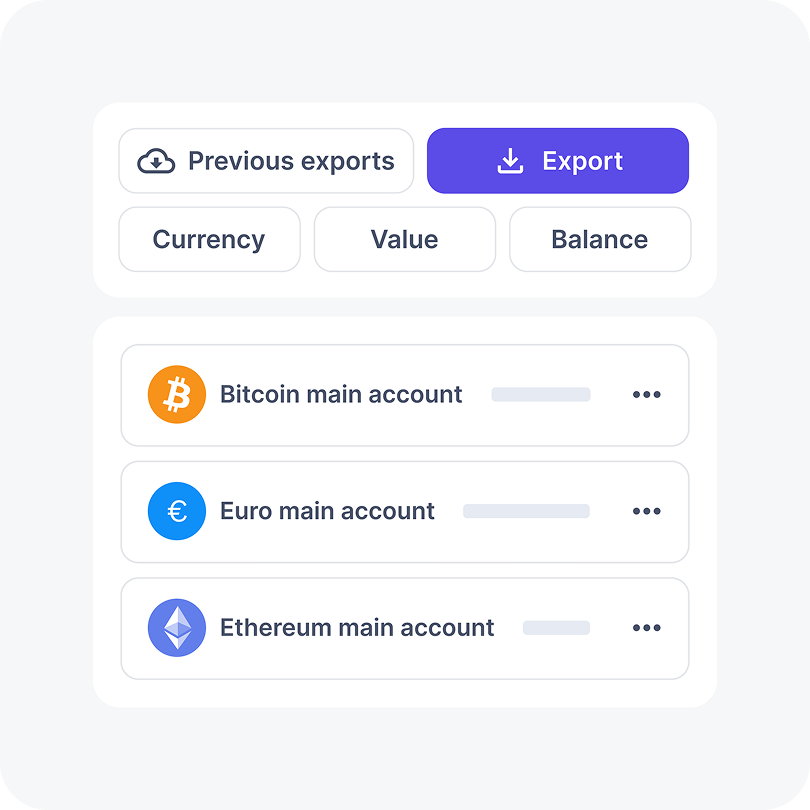
Export account statements and transaction records so your books close without manual stitching.
Regulated where it matters
CoinGate operates under MiCA and Payment Institution licenses, helping businesses manage crypto payments and settlements through a regulated provider.
7M+
Processed monthly volume
500+
Businesses using CoinGate
10+
Years in operation
MiCA + PI
Licensed in the EU
Frequently asked questions (FAQ)
What does OTC mean in crypto?
OTC stands for over-the-counter. In crypto, it means buying or selling directly with a counterparty at a privately agreed price instead of through a public exchange order book. It is used mainly for large trades where exchange liquidity would cause slippage.
How do crypto OTC desks make money?
Desks earn from the spread, the difference between the price they quote you and the price at which they source the asset from their liquidity network. Some also charge explicit fees per trade.
Is there a minimum for OTC trades?
Most desks set minimums. Kraken OTC serves trades over $50,000, and institutional desks like GSR require $250,000 or more. CoinGate has no trade minimums because we are not a trading desk. Conversions of any size run at published fees.
Is CoinGate a crypto OTC desk?
No. CoinGate is a MiCA-licensed crypto payment and conversion platform for businesses. We do not quote block trades. We provide payment acceptance, conversion across 250+ trading pairs, settlement into EUR or stablecoins, global crypto payouts, and reporting from one business account.
Can I convert large amounts of crypto to EUR with CoinGate?
Yes. Business accounts can convert between crypto and EUR and withdraw EUR to their own bank account. Conversion runs from the dashboard or via API. If you expect substantial recurring volume, talk to our sales team about your setup.
How do I withdraw funds after converting?
You can withdraw crypto to your own wallet and EUR to your own bank account. EUR payouts to third parties are not supported. Crypto payouts to third parties are available in 180+ countries.
Is crypto OTC trading legal?
In most jurisdictions, yes, provided the desk or platform is properly licensed and the parties meet AML and KYC requirements. Rules vary by country, so check local regulations. CoinGate operates under MiCA licensing in the EU.