


Accept crypto with CoinGate
Accept crypto with confidence using everything you need in one platform.
What’s the Difference Between Licensed vs. Unlicensed Crypto Payment Processors?
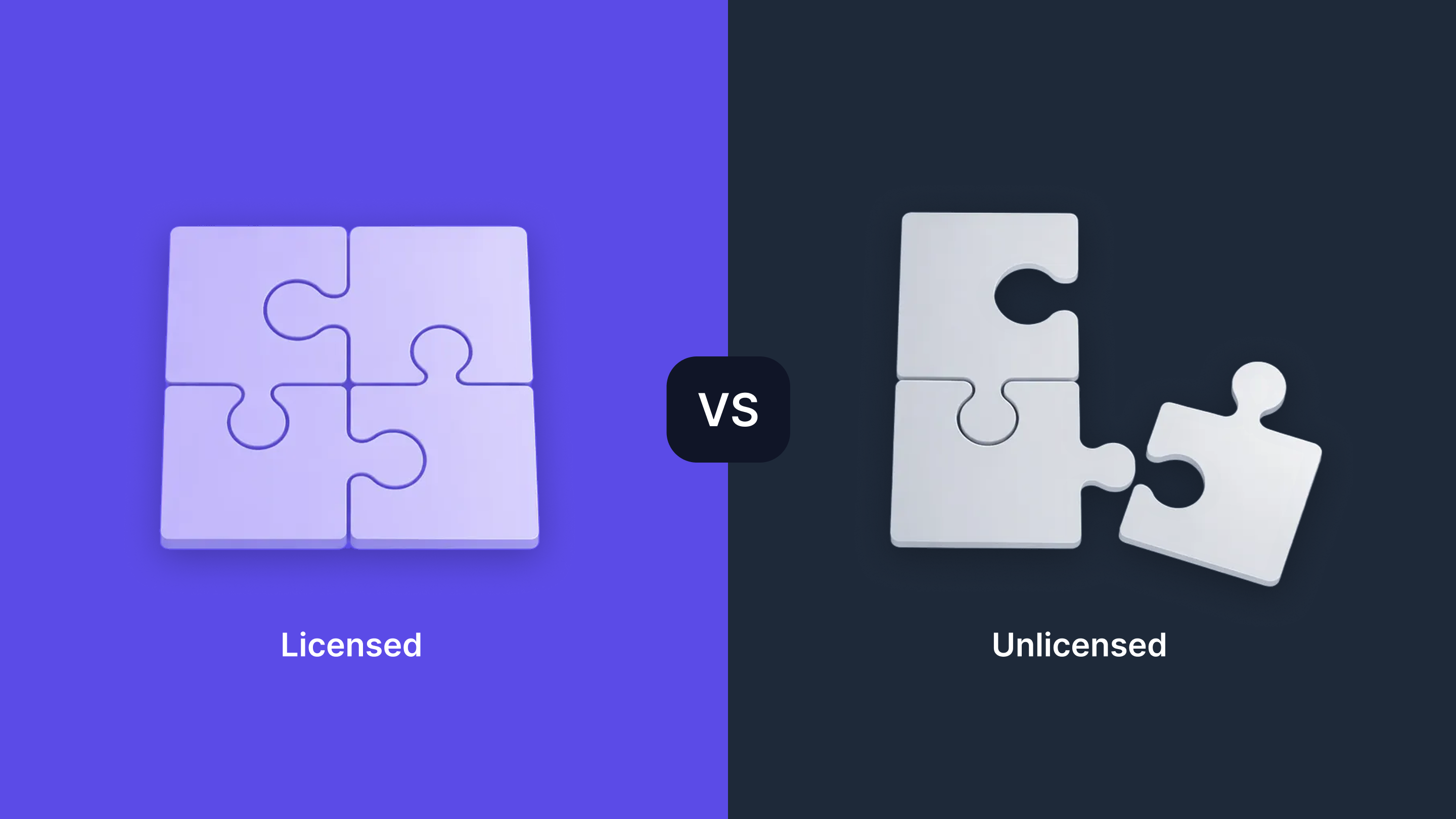
Crypto payments are no longer an experimental payment method. For many businesses, they are part of everyday operations.
As adoption grows, regulation is no longer optional infrastructure in the background. Now, it directly affects how safely, predictably, and legally crypto payments can be used.
One of the most important distinctions businesses now face is whether their crypto payment processor is licensed or not.
What a licensed crypto payment processor actually is
A licensed cryptocurrency payment processor is authorized by a financial regulator to provide crypto-related services. In the European Union, this authorization is defined by the Markets in Crypto-Assets Regulation (MiCA).
Licensing is not a formal label. It is a continuous operating requirement. A licensed provider must maintain internal controls, meet capital requirements, monitor transactions, perform customer due diligence, and report to regulators on an ongoing basis. These obligations are enforced through supervision, audits, and the regulator’s right to intervene if standards are not met.
For businesses, this means the provider operates within a clearly defined legal framework and remains accountable to an external authority. For example, in the EU, providers such as CoinGate operate under MiCA, offering businesses a regulated way to accept and manage crypto payments within a defined legal framework.

Think it’s time to introduce cryptocurrency operations to your business? Sign up for CoinGate.
How unlicensed crypto payment processors operate
Unlicensed crypto payment processors provide similar technical functionality but do so without regulatory authorization. They are not supervised by a financial regulator and are not required to meet standardized compliance, governance, or reporting requirements.
This does not automatically mean that unlicensed providers are unreliable or acting in bad faith. Many are well-engineered and work as intended. The difference lies in accountability. Without licensing, there is no external authority responsible for oversight, and no formal mechanism for enforcement if something goes wrong.
In practice, this shifts a significant portion of legal and operational responsibility away from the provider and onto the merchant.
Why licensing changes the risk profile for businesses
The most immediate advantage of working with a licensed processor is legal clarity. A licensed provider is explicitly permitted to operate, which reduces uncertainty around whether a business is using compliant financial infrastructure. This becomes increasingly important as regulators tighten expectations around crypto-related activity.
Banking access is another critical factor. Licensed providers are able to maintain stable relationships with banks because they meet regulatory standards. This enables predictable fiat settlements, reliable withdrawals, and fewer disruptions. Unlicensed providers often rely on fragile banking setups, which can fail without warning and directly affect merchant funds.
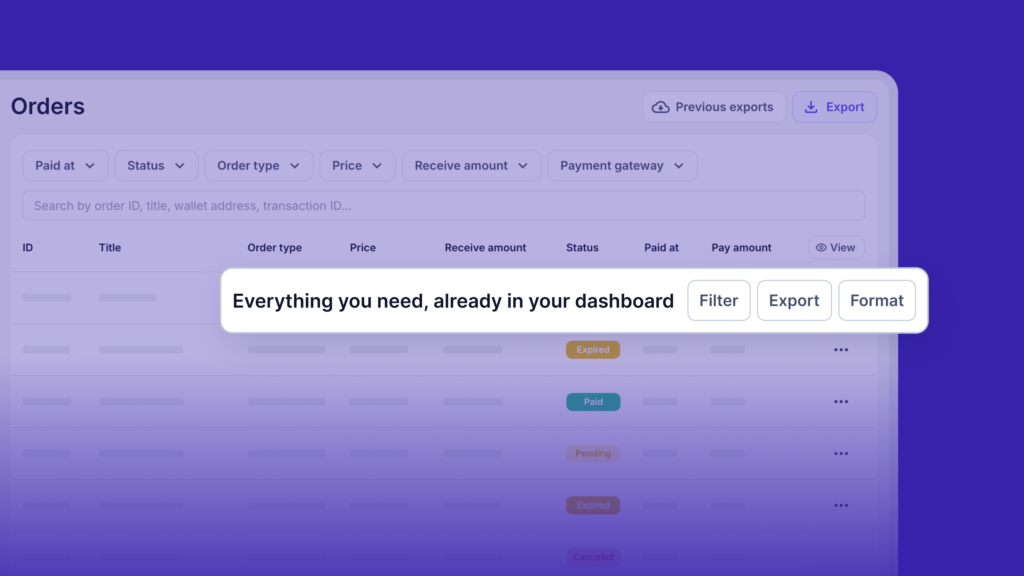
Licensing also impacts everyday operations. Licensed processors are built to support accounting, audits, and reporting. For example, CoinGate structures transaction data, payouts, and balances in a way that supports accounting, audits, and internal reporting, which is difficult to achieve with unlicensed infrastructure.
Learn more about how CoinGate clients reconcile their transactions. For businesses with finance teams, external auditors, or institutional partners, this removes friction and reduces follow-up work.
Finally, licensing acts as a trust signal. Enterprise clients, marketplaces, and payment partners increasingly expect regulated infrastructure. During due diligence, licensing simplifies discussions and shortens approval cycles.
What businesses risk when using an unlicensed gateway
Using an unlicensed crypto payment processor exposes businesses to regulatory uncertainty. Even if enforcement appears inconsistent today, regulators are steadily moving toward higher expectations for businesses that handle crypto payments. If a setup is later deemed non-compliant, the merchant may be required to change providers quickly or address past activity retroactively.
Operational risk is another concern. Unlicensed providers face a higher likelihood of service interruptions, withdrawal freezes, or sudden shutdowns, often due to banking or compliance issues. When this happens, merchants have limited recourse and little advance warning.
There is also the issue of liability. In cases involving sanctions exposure, AML failures, or illicit transactions, regulators may look directly at the business if the payment processor is outside regulatory supervision. Without a licensed intermediary absorbing compliance responsibility, the merchant carries a heavier burden.
This is precisely why many businesses move to providers like CoinGate once crypto payments become part of core operations rather than an experiment. Our team interviewed many clients and conducted in-depth case studies that showcase how crypto gets embedded deep into business operations. CoinGate’s 2025 crypto payments data report suggests the same.

Why some businesses still choose unlicensed providers
Despite these risks, unlicensed processors remain attractive to some businesses. Onboarding is often faster, requirements are lighter, and there is less upfront scrutiny. For early-stage companies or short-term experiments, this can seem like a reasonable trade-off.
Problems usually emerge later, when transaction volumes grow, banking relationships become essential, or partners start asking compliance questions. At that stage, migrating under pressure is far more costly than choosing regulated infrastructure from the start.
When a licensed processor becomes the practical choice
Licensed crypto payment processors are designed for businesses that plan to operate at scale. They support international activity, stable fiat access, structured reporting, and long-term continuity. Licensing does not slow down crypto payments. It defines the rules that allow them to function reliably inside a real business environment.
For companies that want predictability rather than improvisation, licensing becomes a foundation rather than an overhead.
Final takeaway
The difference between licensed and unlicensed crypto payment processors is not technical. It is structural.
Licensed providers operate under supervision and absorb regulatory responsibility as part of their service. Unlicensed providers leave much of that responsibility with the merchant.
For businesses that care about legal certainty, operational stability, and long-term growth, licensing is a risk management decision.
Businesses that reach this stage typically look for a licensed provider that combines regulatory clarity with practical tooling. Luckily, CoinGate offers MiCA-licensed crypto payment infrastructure designed for companies that want to accept crypto, manage settlements, and stay compliant as they scale. Sign up today.
Accept crypto with CoinGate
Accept crypto with confidence using everything you need in one platform.